
-
Fundamental British Values
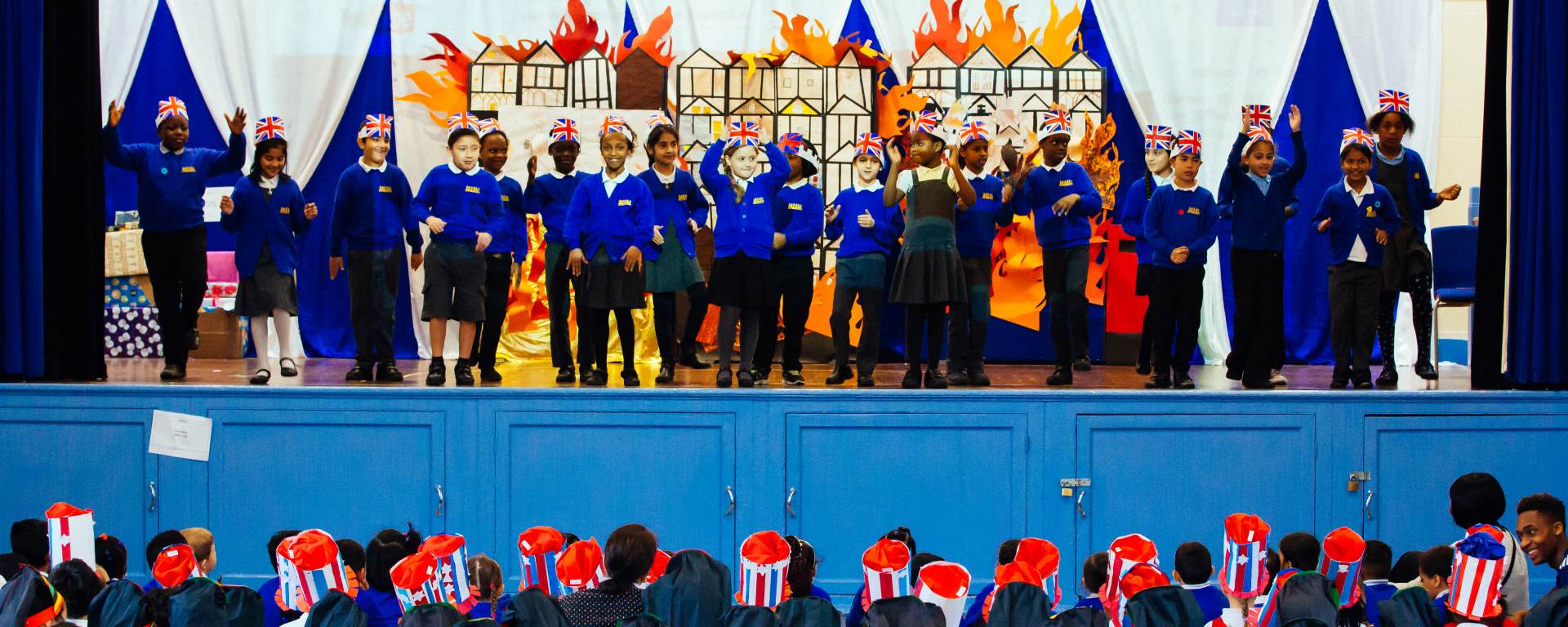
Preparing our pupils for life in modern Britain
At Norbury Manor Primary School, we actively promote the fundamental British values of:
Democracy • The Rule of Law • Individual Liberty • Mutual Respect and Tolerance of Those with Different Faiths and Beliefs
These values are an important part of preparing our pupils for life in modern Britain. They help children understand their rights and responsibilities, respect others, make informed choices and recognise the important role they can play within their school, local community and wider society. Schools are expected to actively promote these values as part of pupils' wider development
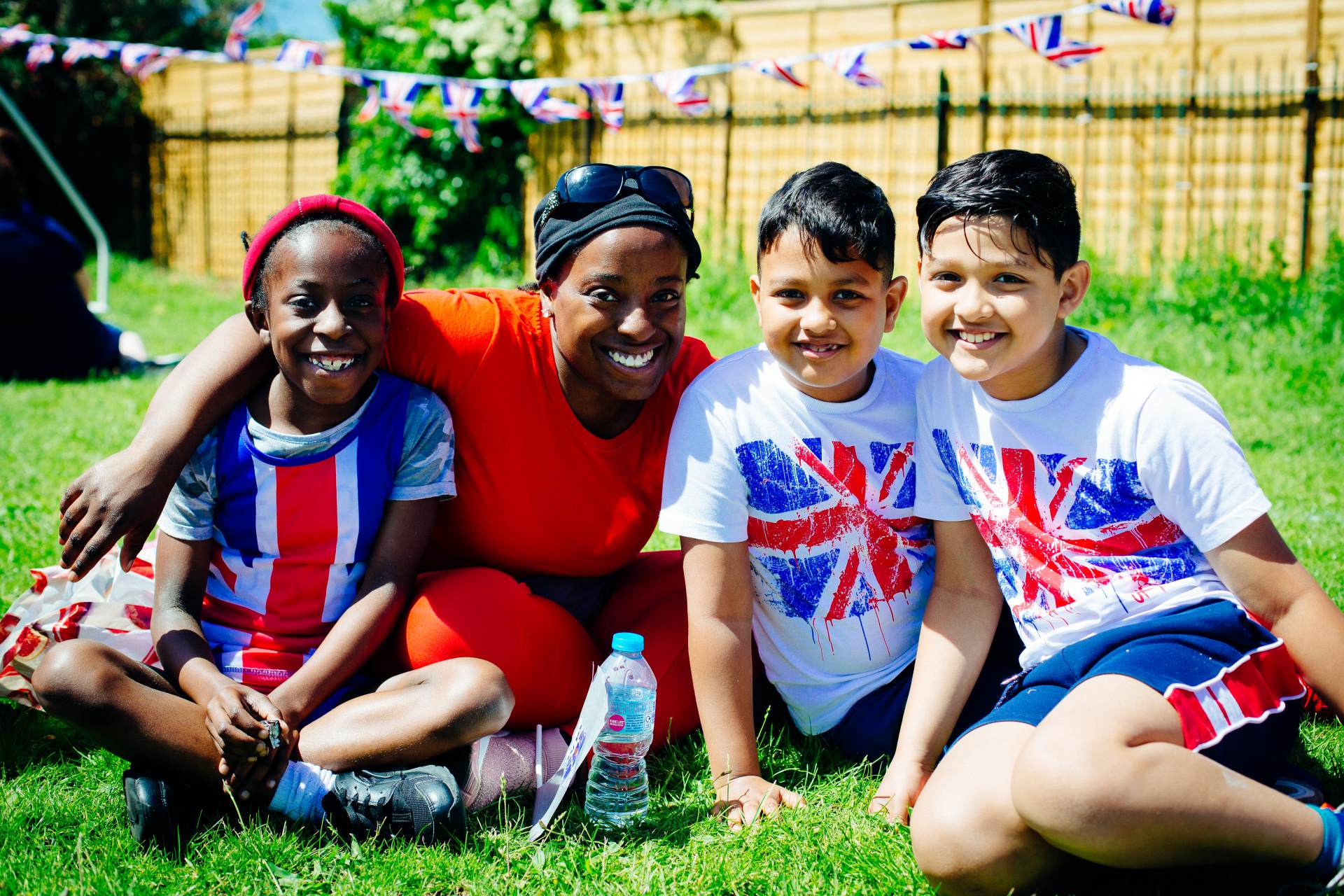
At Norbury Manor, British values are not taught as a stand-alone topic. They are embedded throughout school life: through our curriculum, assemblies, RESPECT values, Skills Builder programme, behaviour expectations, pupil leadership, enrichment opportunities and the relationships we build with one another.
Our diverse school community gives our children valuable opportunities to learn with and from people with different languages, cultures, experiences, faiths and beliefs. We want every pupil to feel that they belong, that their voice matters and that they have a responsibility to ensure others feel the same.
Democracy – having a voice and making a difference
We teach pupils that democracy is about people having a voice, listening to different viewpoints and participating responsibly in decisions.
Children experience democracy directly through our School Council. Representatives are elected by their classmates and are expected to listen to the views of the pupils they represent and bring these to council meetings.
Our pupil leadership opportunities enable children to understand that leadership involves service, responsibility, listening and action, rather than simply holding a title.
Pupils have opportunities to:
- elect School Council representatives and other pupil leaders;
- put themselves forward for leadership roles and explain why they would be suitable;
- contribute their views through pupil voice, surveys and discussions;
- discuss issues with school leaders and governors;
- represent the views of their classmates;
- debate ideas respectfully and recognise that people may legitimately hold different opinions; and
- see how decisions are made and understand that decisions will not always reflect the preference of every individual.
The Rule of Law – understanding rights, rules and responsibilities
Children learn that communities need agreed rules and laws to protect people's rights, keep people safe and ensure that people are treated fairly.
Our school expectations and behaviour systems help pupils understand that their actions have consequences and that everyone has responsibilities towards others.
Through our curriculum, assemblies and everyday school life, pupils learn:
why we have rules and laws;
- the difference between right and wrong;
- that rules apply to everyone;
- that rights come with responsibilities;
- how our school expectations help keep everyone safe;
- how choices can affect other people; and
- how laws contribute to safe and fair communities.
Visits and engagement with organisations and people serving our community, including the police, fire service and civic leaders, help children understand how laws, public services and civic responsibilities operate beyond school
Individual Liberty – making safe and informed choices
At Norbury Manor, pupils are encouraged to become confident, independent learners who can make choices while understanding their responsibilities towards themselves and others.
Children are taught that individual liberty includes the freedom to express ideas, develop interests and hold beliefs, while recognising that these freedoms exist within the law and must respect the rights and freedoms of other people.
We provide opportunities for pupils to make choices about their learning, take on responsibilities, participate in enrichment and leadership activities and express their views.
Through PSHE, Relationships and Health Education, online safety, safeguarding and the wider curriculum, pupils also learn how to:
- make informed and age-appropriate choices;
- recognise unsafe or unhealthy situations;
- understand personal boundaries;
- seek help when they need it;
- use technology safely and responsibly;
- develop confidence and independence; and
- understand and respect their own rights and the rights of others.
Mutual Respect and Tolerance of Different Faiths and Beliefs
Respect is at the heart of Norbury Manor.
Our school community includes families from a wide range of cultures, languages, faiths, beliefs and backgrounds. We see this diversity as an important part of children's education and preparation for life in modern Britain.
We teach pupils that people may have different beliefs, traditions, cultures, families and viewpoints and that difference should be approached with curiosity, empathy and respect, not prejudice or discrimination.
This is promoted through:
- our RESPECT values and weekly RESPECT assemblies;
- Religious Education;
- PSHE and Relationships Education;
- English, History, Geography and the wider curriculum;
- opportunities to learn about different religions, beliefs and cultures;
- We Are Norbury Week, when we celebrate the diversity of our school community;
- books and teaching resources that represent a broad range of people and experiences;
- discussion of stereotypes, prejudice and discrimination; and
- opportunities for pupils to listen to, learn from and work alongside others.
Pupils learn that people have the legal freedom to hold different faiths and beliefs, including having no religious belief, and that differences should never be a reason for discriminatory or prejudicial behaviour. GOV.UK
British Values, RESPECT and Skills Builder
Our approach to British values is strengthened by our RESPECT values and Skills Builder programme.
Children do not simply learn the vocabulary of democracy, liberty, law and respect. They develop the skills they need to put these principles into practice: speaking, listening, teamwork, leadership, problem solving, creativity, staying positive and aiming high.
For example, pupils need speaking and listening skills to participate in democratic discussions; leadership and teamwork to contribute to their community; empathy to understand perspectives different from their own; and problem-solving skills to resolve disagreements constructively.
Our Monday RESPECT Assemblies, class discussions and wider curriculum give pupils regular opportunities to consider values, behaviours, rights and responsibilities and how these apply to real-life situations.
Pupil Leadership and Active Citizenship
We want pupils to recognise that they can make a positive contribution now, not simply when they become adults.
Leadership opportunities across the school include our School Council, pupil ambassadors, class responsibilities and opportunities for pupils to lead activities and contribute to assemblies.
These experiences help pupils learn to listen to others, take responsibility, work collaboratively, represent their peers and contribute positively to their school and community.
Challenging Discrimination, Extremism and Radicalisation
Actively promoting British values also means that we challenge prejudice, discrimination and behaviours or views that undermine these values, in an age-appropriate way. GOV.UK
We encourage pupils to ask questions, think critically, consider evidence and discuss different viewpoints respectfully. Where political or controversial issues are explored, pupils are supported to understand that different views may exist and are given the knowledge and context needed to consider them appropriately. GOV.UK
Our work to promote British values also forms part of our safeguarding responsibilities under the Prevent duty. Prevent is approached as a safeguarding responsibility: its purpose in education is to identify and support individuals who may be susceptible to radicalisation before risks escalate. GOV.UK
Staff receive appropriate safeguarding training and know how to respond if they have concerns about a child. The current Ofsted inspection toolkit expects schools to fulfil their statutory safeguarding responsibilities, including the Prevent duty.
Working Together
Promoting British values is a shared responsibility between pupils, staff, parents and carers, governors and our wider community.
Through our curriculum and the everyday life of our school, we aim to develop pupils who are confident, respectful, responsible and compassionate; who can think for themselves, listen to others and make a positive contribution to modern Britain.
Our ambition reflects our school motto:
“Leaders today, learners tomorrow – make every moment count.”
For further information for families about protecting children from extremism and radicalisation, visit Educate Against Hate.
You can also read the government's current Prevent duty guidance for education settings.